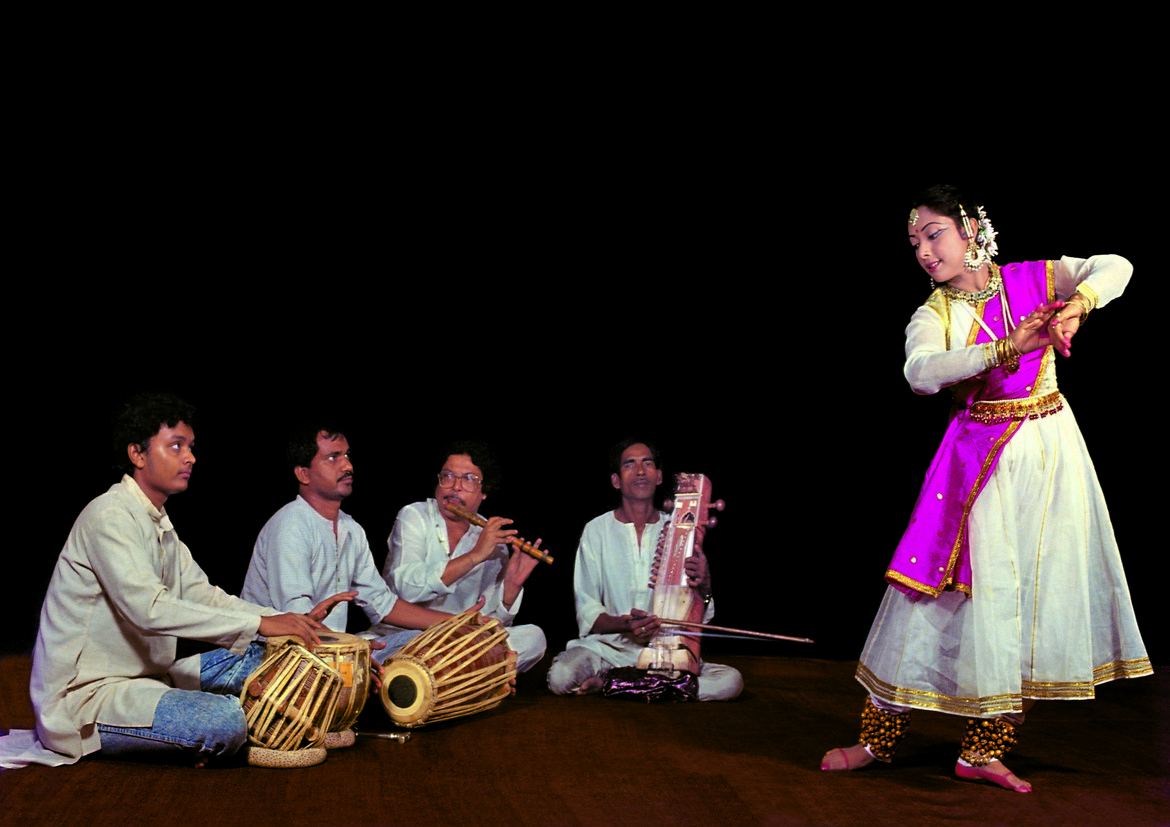
Indian classical music is one of the oldest and most refined musical traditions in the world, with roots stretching back over 3,000 years. It evolved from the Vedic chants, where sound was considered sacred and deeply connected to spirituality. Over time, it developed into two main systems: Hindustani music in the North and Carnatic music in the South, each with its own style, structure, and cultural influences.
At the heart of Indian classical music lies the concept of the *raga*—a melodic framework that is not just a scale, but a mood, a time, and an emotion. Each raga is designed to evoke a specific feeling, whether it’s devotion, longing, joy, or peace. Complementing this is the *tala*, the rhythmic cycle that provides structure and flow. Together, raga and tala create a balance between discipline and improvisation, allowing musicians to express creativity within a defined framework.
Unlike many Western forms, Indian classical music places great emphasis on improvisation. Performances are often spontaneous, with artists exploring and expanding a raga in real time, making each rendition unique. Instruments like the sitar, tabla, veena, and flute, along with vocal traditions, bring depth and texture to the music.
Beyond its technical beauty, Indian classical music is deeply spiritual. It is not merely entertainment, but a form of meditation—a way to connect with oneself and the universe. Even today, in a fast-paced modern world, it continues to offer a sense of calm, tradition, and timeless expression.

Comments (0)
No comments yet. Be the first to share your thoughts!